

For many who are unfamiliar with the subject, the term “drug rehab” can conjure up images of drug-fueled individuals locked in cells, chained to metal bed frames, and sweating buckets as they go through withdrawal.
We say that somewhat tongue-in-cheek, although the sad fact is that some unfortunate people have actually had to endure that kind of treatment in the past. At drug rehabilitation centre, Sivana Rehab, they believe in a different approach, one that focuses on holistic healing and compassionate care.
Thankfully, the rehabilitation of drugs users operates in more enlightened times, and the ways and means of how people are helped to come off drugs has expanded and improved.
This has led to many highly effective drug rehab programs that would have been thought of as impossible many years ago, not only due to the view of drugs by society in those times, but also due to how drugs laws stood in many jurisdictions.
Another aspect of drug rehab is that not everyone is a heroin or cocaine user, which are normally classed as ‘hard’ drugs.
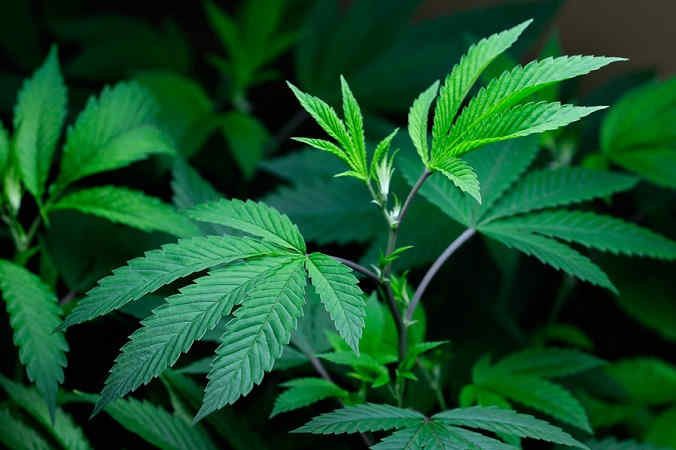
Some drugs users are caught in possession of what are considered lesser drugs, such as cannabis, which , if you live in certain parts of the world is actually decriminalized.
However, in many countries and states the possession of cannabis is still regarded as a criminal act, and if caught and convicted, there are number of ways in which the offender is dealt with.
One scheme which is used to try to help users rather than criminalize them, is the Cannabis Intervention Requirement (CIR) in Western Australia.
It is not the only scheme of its type in the world, and it does not have a 100% success rate, but it has helped many cannabis users to quit its use.
To enlighten you further on the CIR scheme, here are 10 facts about it.
Fact #1: CIR is used in cases of someone being caught in possession of small amounts of cannabis, of usually of 10 grams or less.
Fact #2: Someone caught supplying or cultivating cannabis will not be issued with a CIR and will instead be dealt with by the criminal courts
Fact #3: Up to two CIRs can be issued on separate occasions to those who are aged between 14 and 17 years of age. An adult can only be issued a maximum of one CIR.
Fact #4: Once a CIR has be issued to someone, they have a maximum of 28 days in which to take part in a Cannabis Intervention Session (CIS).
Fact #5: If you fail to attend a CIS following the issue of a CIR, then your case will become a criminal one, and you will be prosecuted through the courts.
Fact #6: If you attend and complete a CIS, you will not be prosecuted and will not have to attend court further.
Fact #7: Those aged 14-17 who have been previously issues two CIRs, and who offend again, will be subject to being charged and prosecuted through the juvenile courts. For adults, the same applies following their one CIR although their prosecution will obviously be through the normal courts.
Fact #8: CIS sessions are normally one hour in length and are conducted by experienced drug treatment and rehabilitation counsellors.
Fact #9: A CIS session will seek to educate the attendees on the health risks of using cannabis and the laws that pertain to possession of cannabis.
Fact #10: No drug tests take place at a CIS session, the police do not attend them, and everything discussed is kept completely confidential.